How Long Does a Home Remodel Take? Real Timelines (and What Can Delay Them)
One of the first questions we hear from homeowners considering a remodel is simple: how long will it take?
The answer depends on much more than the number of rooms involved. The scope of the project, the age and condition of the home, the amount of structural work, permitting, material selections, and the design process can all affect the schedule.
At Jackson Design Build, we believe it is important to establish a realistic timeline before construction begins. Our design/build process brings design, budgeting, and construction together, allowing us to discuss the schedule alongside the scope and budget from the beginning.
For homeowners planning a remodel in the greater Seattle area, here's what we recommend knowing about remodeling timelines.
How Long Does a Home Remodel Take on Average?
So, how long does a remodel take?
For a smaller project, construction may take just a couple of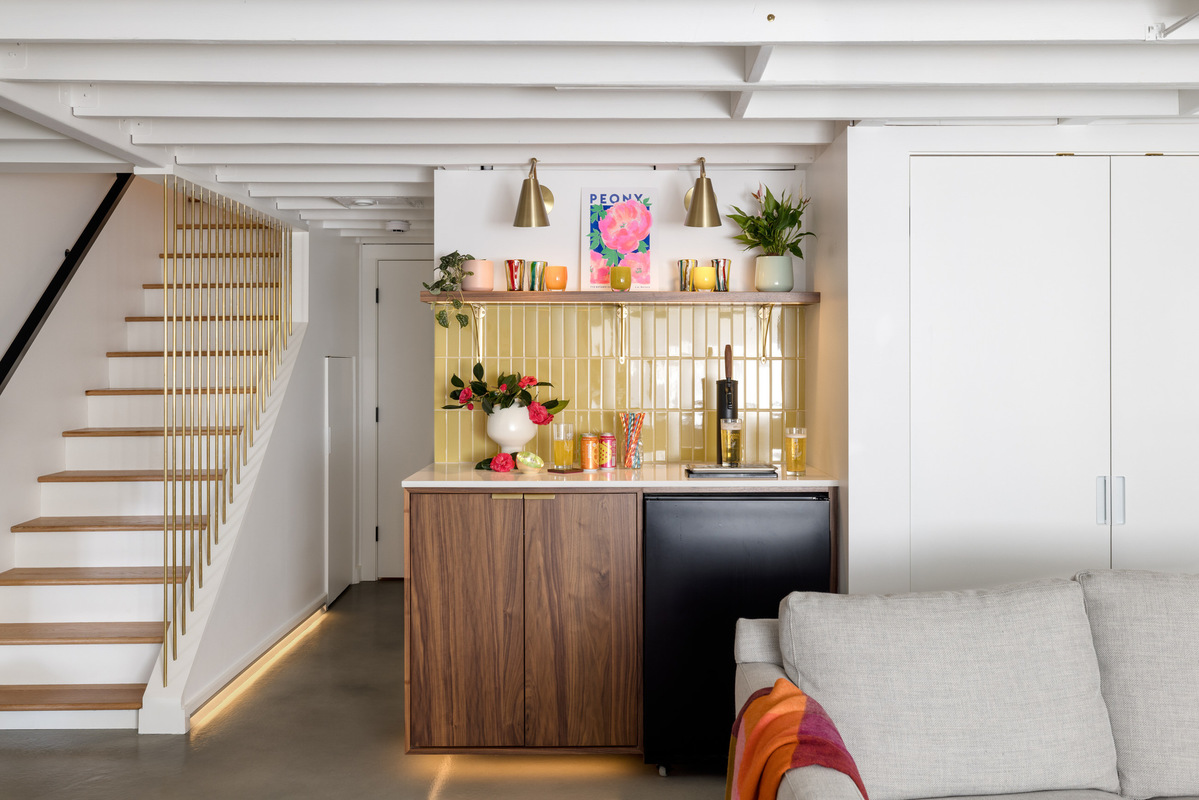 months. More extensive remodels can take several months, while a whole-home remodel or home addition can extend beyond a year when the design and construction phases are considered together.
When we're talking about a home remodel timeline, we also distinguish between design and construction. These are separate phases, and both require time.
At Jackson Design Build, our design process can take anywhere from a few months to upwards of 12 months, depending on the complexity and scope of the project. During this phase, we develop the design, refine the scope, make material selections, provide budget feedback, obtain permits, refine the estimated costs, and prepare the project for construction.
Construction then follows the completed design and selections.
For homeowners searching for the average renovation time, it's important to be careful with broad averages found online. A cosmetic update and a whole-home remodel are very different projects. The most useful timeline is the one developed around your particular home, scope, and goals.
As a general starting point:
Smaller remodels may take a couple of months of construction.
Kitchen remodels commonly take several months.
Bathroom remodels often take a couple of months.
Basement remodels can take four to five months.
Whole-home remodels and additions can take six months to a year.
These are planning ranges rather than guarantees. Once we understand the project, we can provide a much more meaningful schedule.
Timeline Breakdown by Project: Kitchen, Bathroom, Additions
Different types of remodels have very different construction requirements. Here's how we generally think about some of the most common projects we work on.
Kitchen Remodels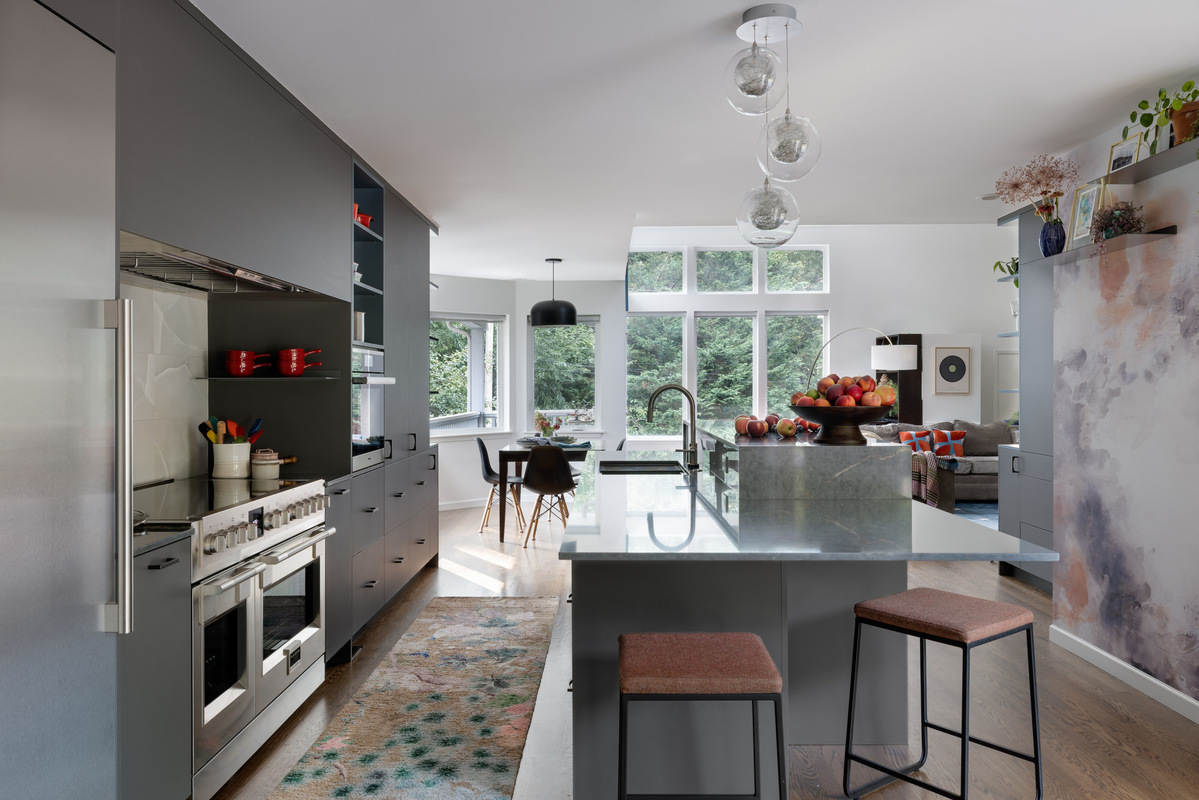
If you're asking, "how long does a kitchen remodel take," we currently estimate that a complete kitchen remodel typically takes about 4 to 5 months from demolition through completion. The complexity of the design and custom orders, particularly cabinetry, can affect that schedule.
A kitchen remodel may involve much more than replacing cabinets and countertops. We may be changing the layout, relocating plumbing or electrical systems, adding an island, upgrading lighting, or opening walls to improve the connection between the kitchen and other living spaces.
That's why we prefer to establish the design and major selections before construction begins. Knowing what we're building allows us to create a more reliable schedule.
Bathroom Remodels
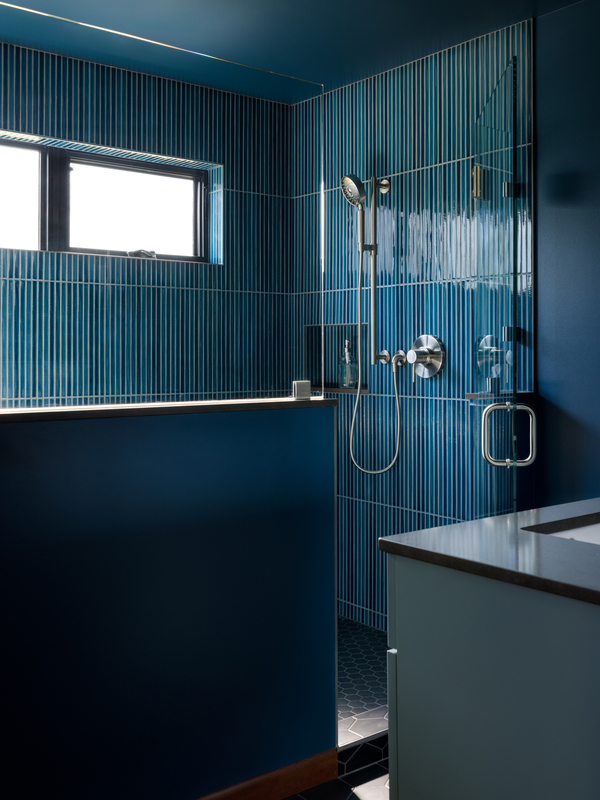
For a bathroom remodel, our current guidance puts construction at approximately 8 to 10 weeks, depending on the scope.
Even a relatively small bathroom can involve a surprising amount of coordination. Plumbing, waterproofing, tile, cabinetry, electrical work, lighting, fixtures, and glass all need to come together in the right sequence.
Older Seattle homes can add another layer of complexity. We may discover conditions behind walls or under floors that need to be addressed as part of the project.
Home Additions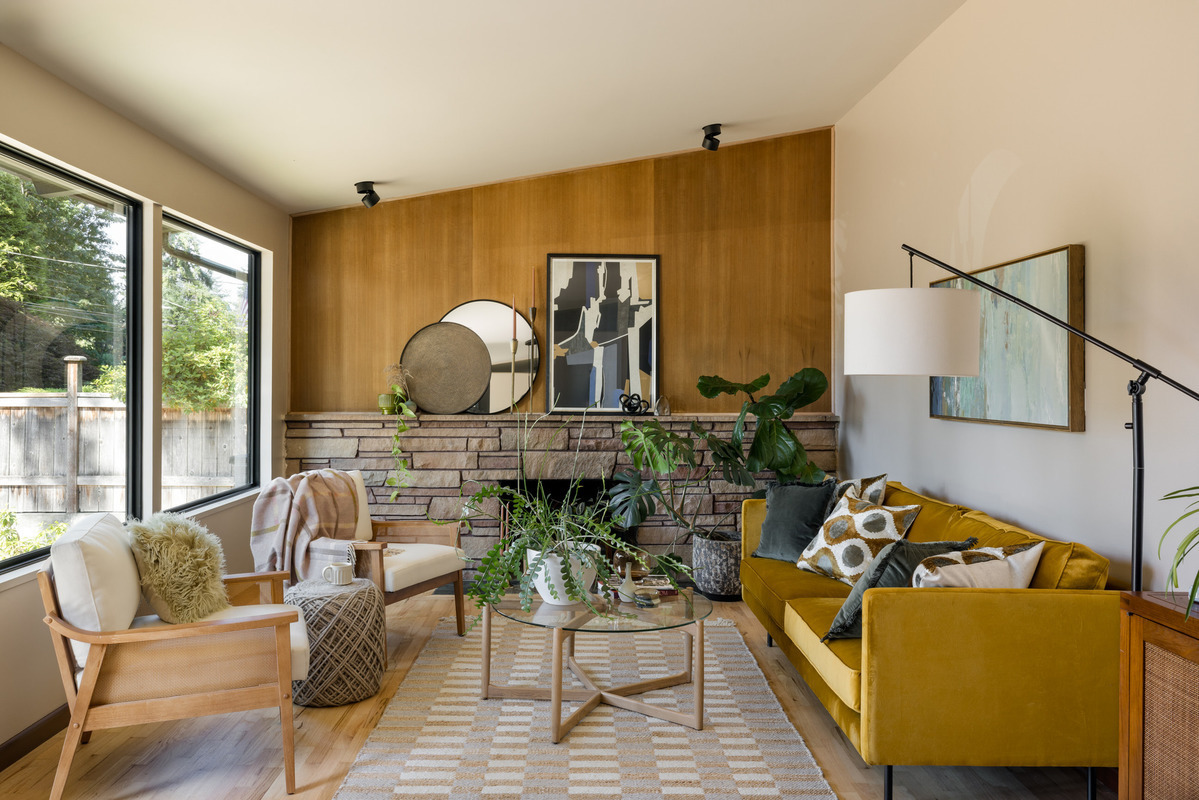
A home addition requires considerably more planning than remodeling within an existing footprint. A second-story addition, bump-out, dormer, or other expansion can involve structural engineering, exterior work, and significant changes to the existing home.
Our home addition timeline can therefore range from six months to a year depending on the size and complexity of the project.
We've worked on a variety of additions in Seattle, including second-story additions, bump-outs, dormers, and basement conversions. Each presents its own set of design and construction considerations.
What Factors Can Delay a Remodel?
Even with careful planning, remodeling rarely follows a perfectly straight line.
When homeowners ask what delays a renovation, the same few issues tend to come up. Permitting, material availability, unforeseen conditions, and changes to the project scope can all affect the schedule.
Permits and Approvals
Permit requirements depend on the project. Structural changes, plumbing, electrical work, additions, and significant changes to the home generally require permitting.
Permit delays aren't always within a contractor's control, which is why we account for the permitting process during design rather than treating it as an afterthought.
Material Lead Times
Some products can be ordered quickly. Others, particularly custom cabinetry, plumbing fixtures, windows, and specialty materials, may require substantially more lead time.
We address long-lead items during the design process so that we can plan ordering and scheduling appropriately.
Changes to the Scope
One of the easiest ways to extend a project is to make significant changes after construction has already started.
Sometimes those changes are necessary. Older homes can reveal conditions that weren't visible during the initial design process. Other times, homeowners decide they want to change a material, layout, or feature after seeing the work underway.
Our goal is to make decisions early and provide budget and schedule feedback as the design develops. During construction, we also maintain regular communication and address unforeseen conditions as they arise.
These are some of the most common causes of remodeling delays, and they're also why we put so much emphasis on planning in the design phase before construction begins.
Can You Speed Up a Home Remodel?
 Most homeowners would love to find the fastest remodel timeline possible. We understand that. Living through construction is disruptive, and everyone wants to get back to normal.
However, the best way to shorten a project isn't necessarily to rush the construction itself.
If you're wondering how to speed up renovation, start by making decisions early.
Finalize major design choices and material selections before construction begins. Make sure the scope is clearly defined. Allow time for permits and order long-lead materials as early as possible.
This is one of the advantages of our design/build process. We work through design, budget, specifications, and material selections before moving into construction. Once design decisions are finalized, we can bring in trade specialists, establish firm numbers, and begin ordering long-lead items such as cabinets and plumbing fixtures.
That preparation takes time, but it can prevent unnecessary delays later.
Can You Live in Your Home During a Remodel?
In many cases, yes. Whether it makes sense depends on the scope of your remodel and which parts of your home are affected.
Living during remodel construction can mean dealing with noise, dust, limited access, and temporary disruptions to utilities. A kitchen remodel, for example, may mean losing access to your primary cooking space for much of the construction period.
For larger remodels, particularly those involving multiple rooms or essential spaces, moving out temporarily may be more comfortable.
Before construction begins, our construction manager and lead carpenter meet with homeowners to discuss what living through the remodel will involve, including work hours, the sequence of tasks, and particularly disruptive phases. We also establish regular communication with the homeowner throughout the project.
We work hard to respect the home we're working in and minimize disruption wherever possible. That's an important part of our approach to remodeling.
Every Remodel Timeline Is Different
There's no single answer to the question, "how long does a home renovation take," because every home and every project is different. The same is true of remodeling.
At Jackson Design Build, we start by understanding what you want to accomplish, what your home needs, and what you're hoping to invest. Our design/build process then brings those considerations together as we develop the project. We specialize in remodeling Seattle homes, particularly vintage homes, and our approach is built around quality workmanship, clear communication, thoughtful design, and solutions that maximize project value.
Every remodel timeline is different. If you want an accurate estimate for your home in Shoreline or the greater Seattle area, we can map out a realistic schedule for you.


 14824 Westminster Way N, 98133


