Remodel vs Renovation: What’s the Difference
(And Which One Do You Actually Need?)

When homeowners start planning a home project, the terms “remodeling” and “renovating” are often used interchangeably. In reality, they mean very different things. Understanding the distinction can help you set the right expectations for your budget, timeline, and overall goals.
At Jackson Design Build, we focus on thoughtful, high-quality remodeling for Seattle homes, especially vintage homes built between 1900 and 1960. Our design/build approach combines planning, design, and construction into one collaborative process that helps keep projects aligned with both vision and budget.
If you’re trying to understand the difference between remodeling and renovating, here’s what you should know before starting your next home project.
Remodel vs Renovation: What’s the Key Difference?
The simplest way to explain remodel vs renovate is this:
A renovation restores or refreshes an existing space. A remodel changes the structure, layout, or function of a space.
That distinction is the foundation of the entire renovation vs remodel conversation.
For example, repainting walls, refinishing hardwood floors, or replacing outdated fixtures would usually fall under renovation. The room still functions the same way. You are improving what already exists.
Remodeling, on the other hand, involves transforming the space itself. That might mean removing walls to create an open-concept kitchen, reconfiguring a bathroom layout, expanding a primary suite, or adding entirely new square footage.
When homeowners ask about the difference between remodeling and renovating, we often explain that the answer comes down to whether the project changes how the home works, not just how it looks.
Another way to think about it is this:
- Renovation improves a space
- Remodeling reimagines a space
This is why many older Seattle homes benefit more from remodeling than renovation alone. Historic and vintage homes often need better flow, improved functionality, updated systems, and more efficient use of square footage. Cosmetic improvements may help temporarily, but they do not always solve the underlying limitations of the home.
That is also why the conversation around what is remodeling vs renovation matters so much during the planning stage. Choosing the wrong approach can lead to mismatched expectations around cost, timeline, and long-term value.
If you are comparing the remodel definition vs renovation, remodeling typically involves:
- Structural changes
- Layout modifications
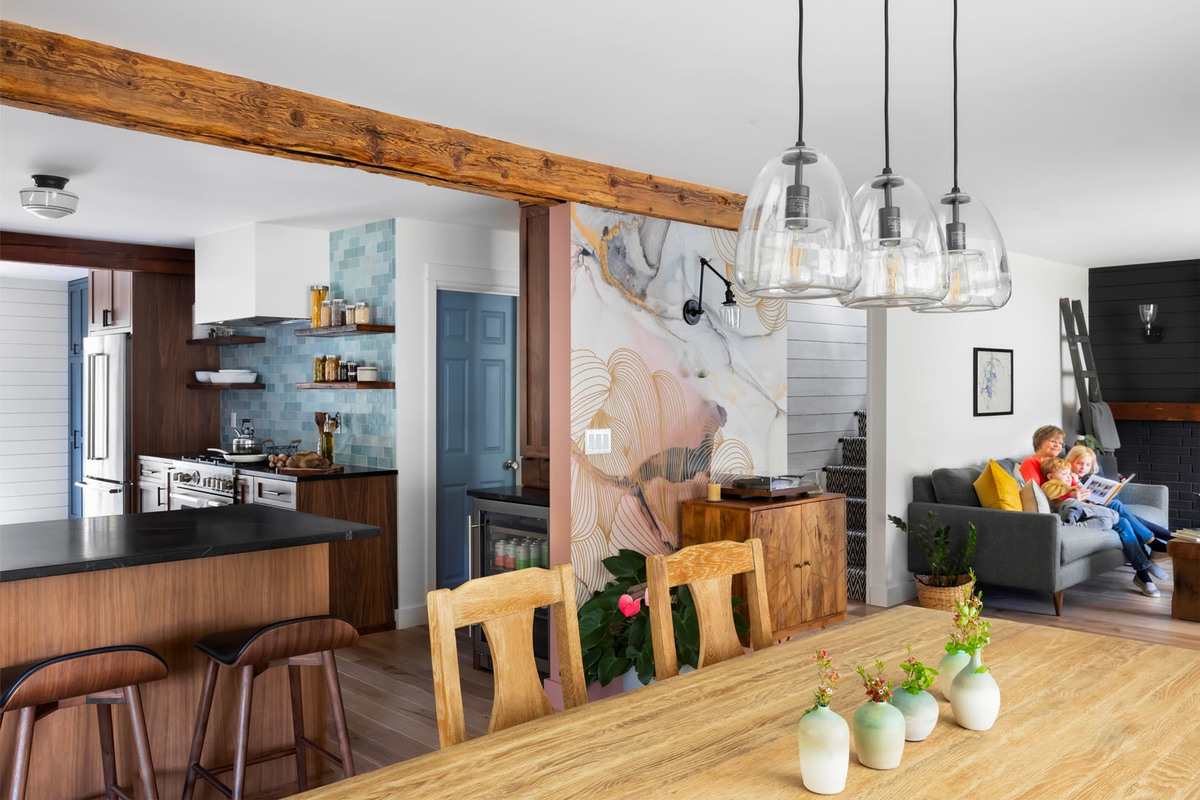
- Plumbing or electrical relocation
- Additions or expansions
- Major functional upgrades
Renovation typically includes:
- Cosmetic updates
- Surface replacements
- Restoring original features
- Painting and finish work
- Fixture or material updates
Examples of Remodeling vs Renovating Projects
The easiest way to understand what is remodeling versus renovation is through real-world examples.
Let’s say you have an older Seattle kitchen with dated cabinets, worn countertops, and aging finishes.
If you: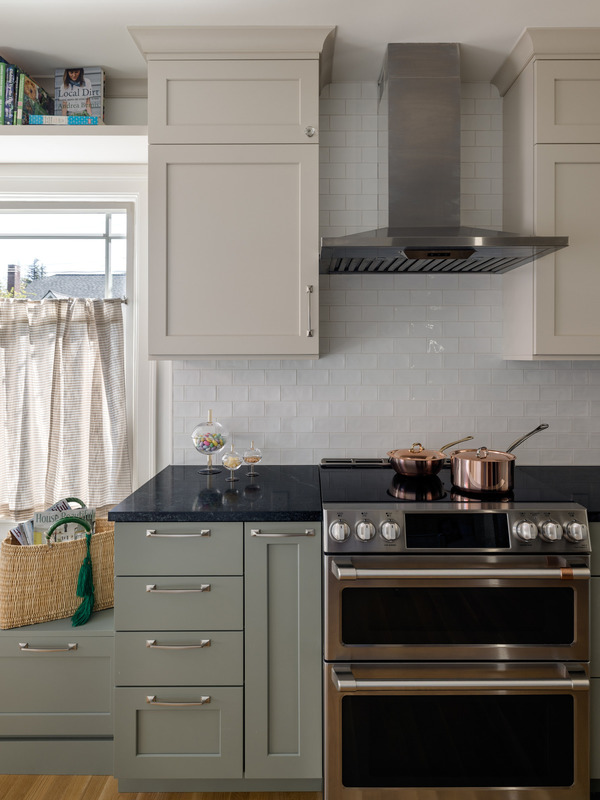
- Paint the cabinets
- Replace hardware
- Install new countertops
- Upgrade appliances
…you are likely renovating the kitchen.
But if you:
- Remove walls
- Expand the footprint
- Reconfigure the layout
- Add an island
- Move plumbing or electrical
- Improve storage and workflow
…you are remodeling the kitchen.
The same idea applies throughout the home.
A bathroom renovation may include new tile, updated fixtures, and fresh paint. A bathroom remodel could involve relocating the shower, expanding the footprint, or redesigning the entire layout for better functionality.
Homeowners researching home remodeling examples are often surprised to realize their project goals actually fall into the remodeling category, not renovation. Many people begin wanting cosmetic upgrades, but once they start living through the limitations of the space, they decide they want a better-functioning home overall.
This is especially common in older Seattle neighborhoods where homes were designed for a different era. Closed-off kitchens, small bathrooms, limited storage, and disconnected living spaces are all common challenges.
That is where remodeling becomes valuable. Instead of simply updating finishes, remodeling allows homeowners to create spaces that fit modern lifestyles while preserving the character of the original home.
Some common remodeling projects we work on include: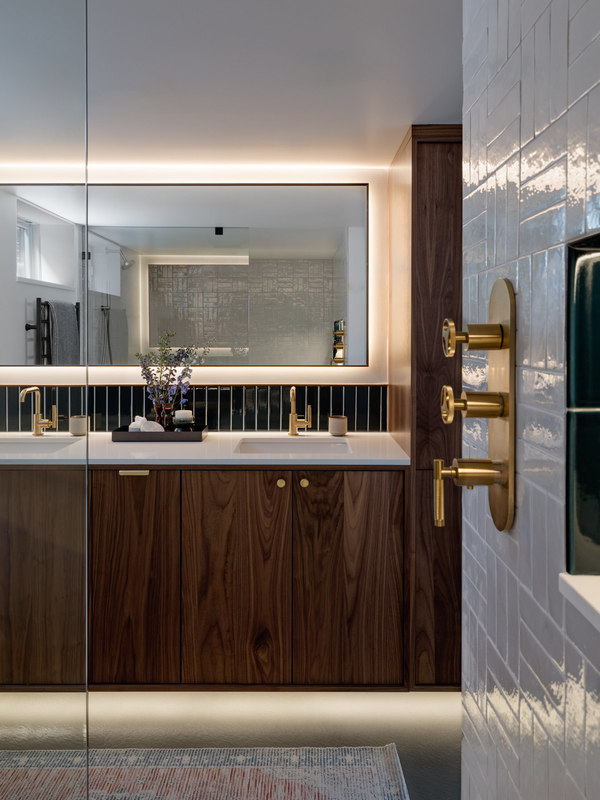
- Whole home remodels
- Kitchen remodels
- Basement remodels
- Home additions
- Bump-out additions
- Second story additions
- Primary suite expansions
- Open-concept living conversions
At Jackson Design Build, we help homeowners modernize older homes while maintaining the architectural charm that makes Seattle neighborhoods unique. Our work focuses on balancing functionality, craftsmanship, efficiency, and thoughtful design.
Which Is More Expensive: Remodeling or Renovating?
In most cases, remodeling is more expensive than renovating.
That is because remodeling usually involves more complexity behind the walls. Structural work, engineering, plumbing relocation, electrical upgrades, permitting, and custom construction all add to the investment.
When homeowners compare remodeling cost vs renovation cost, renovation projects are often less expensive upfront because they focus primarily on cosmetic improvements.
For example:
- Painting a kitchen costs far less than redesigning the kitchen layout
- Replacing bathroom tile costs less than expanding the bathroom footprint
- Refinishing floors costs less than removing walls and restructuring living areas
So, is remodeling more expensive? Generally, yes.
However, cost should not be viewed in isolation. Remodeling often delivers greater long-term functionality, usability, and value because it solves deeper issues within the home.
Several factors influence the total investment:
- Structural changes
- Permit requirements
- Material selections
- Plumbing or electrical relocation
- Age and condition of the home
- Customization level
- Design complexity
In Seattle, many older homes also require infrastructure updates once walls are opened. That can include outdated wiring, plumbing improvements, insulation upgrades, or seismic considerations. These factors can increase costs, but they also improve safety, efficiency, and long-term durability.
A renovation may improve appearance, but remodeling often changes the entire experience of living in the home.
For homeowners planning to stay in their house long-term, remodeling can provide a stronger return in terms of comfort, functionality, and everyday livability.
Which One Is Right for Your Home Project?
If you are asking yourself, “should I remodel or renovate?” the answer depends on your goals.
A renovation may make sense if: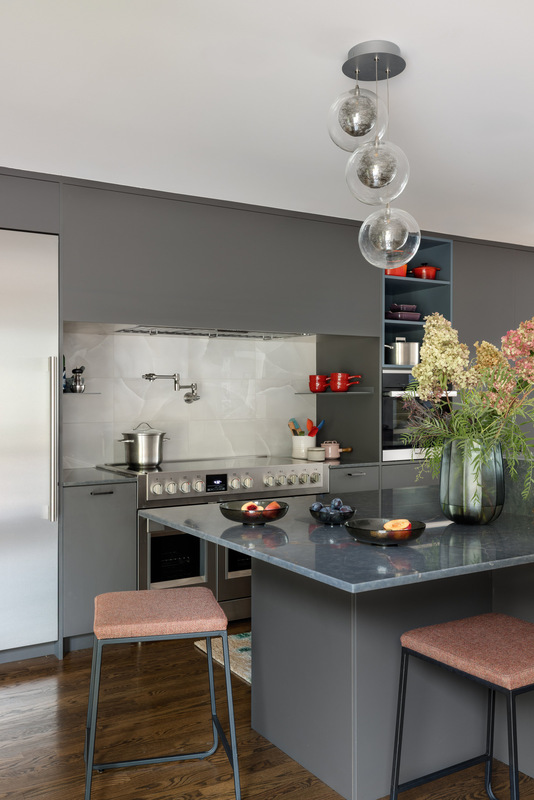
- The layout already works well
- The home only needs cosmetic updates
- You are preparing to sell
- You have a limited budget
- The project is mostly surface-level
A remodel may be the better choice if:
- Your home no longer fits your lifestyle
- You need more functional space
- The layout feels outdated
- You want long-term improvements
- You plan to stay in the home for years
Good home improvement planning starts by identifying what is actually frustrating about the space. Is it simply outdated finishes, or is the home fundamentally not working for how you live?
For example:
- A cramped kitchen may need more than new cabinets
- A disconnected main floor may benefit from opening walls
- A growing family may need a bump-out or second story addition instead of cosmetic updates
- An older home may need better flow, storage, and efficiency
- An unfinished basement may be an opportunity for additional living space
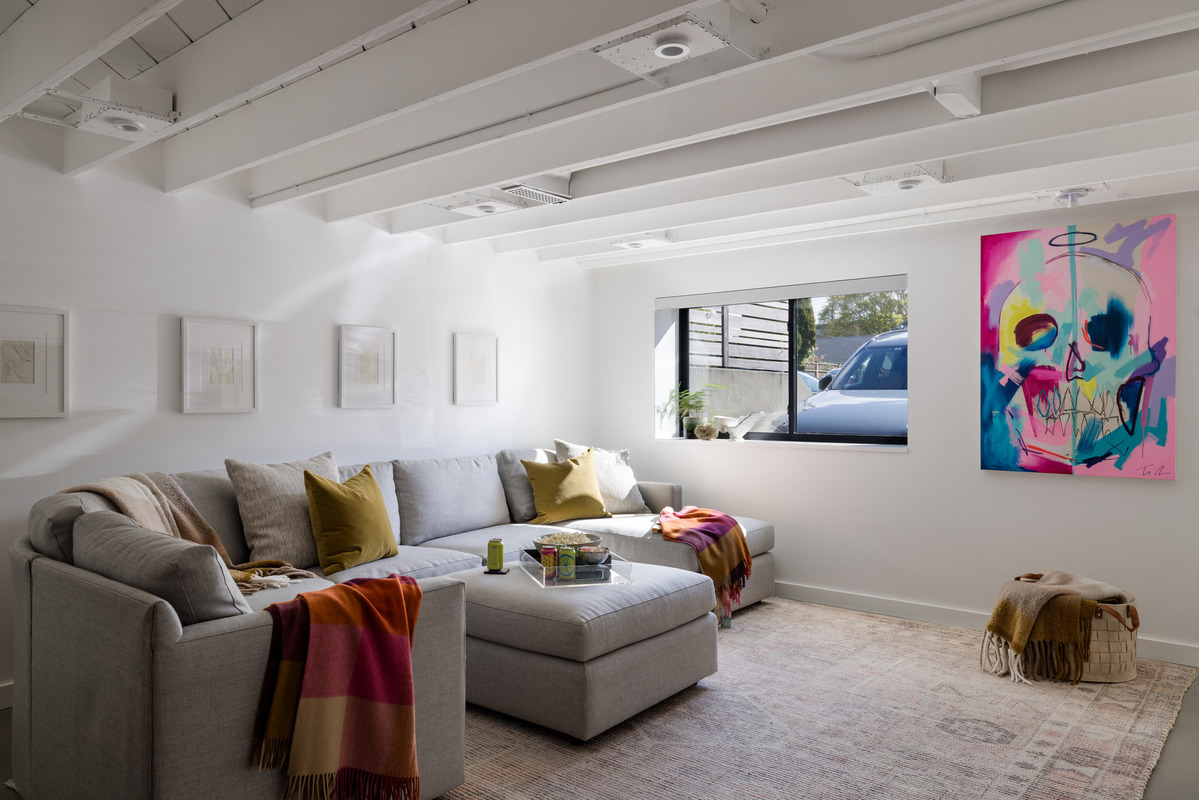
This is where a design/build remodeling process can be especially valuable. Instead of separating design and construction into disconnected phases, the design/build model keeps planning, budgeting, and construction aligned from the beginning.
At Jackson Design Build, our design/build process is centered around collaboration, transparent communication, and realistic budgeting throughout the project. We work closely with homeowners from concept through construction to create spaces that are both functional and personalized.
Do You Need a Remodeling Contractor or a Renovation Specialist?
For cosmetic updates, many homeowners can work with specialized trades or renovation-focused contractors.
But when the project involves structural changes, layout redesign, additions, or major functionality upgrades, a remodeling-focused design/build team is often the better fit.
That is because remodeling requires coordination between design, engineering, permitting, budgeting, and construction. The more complex the project becomes, the more important that collaboration is.
For projects like: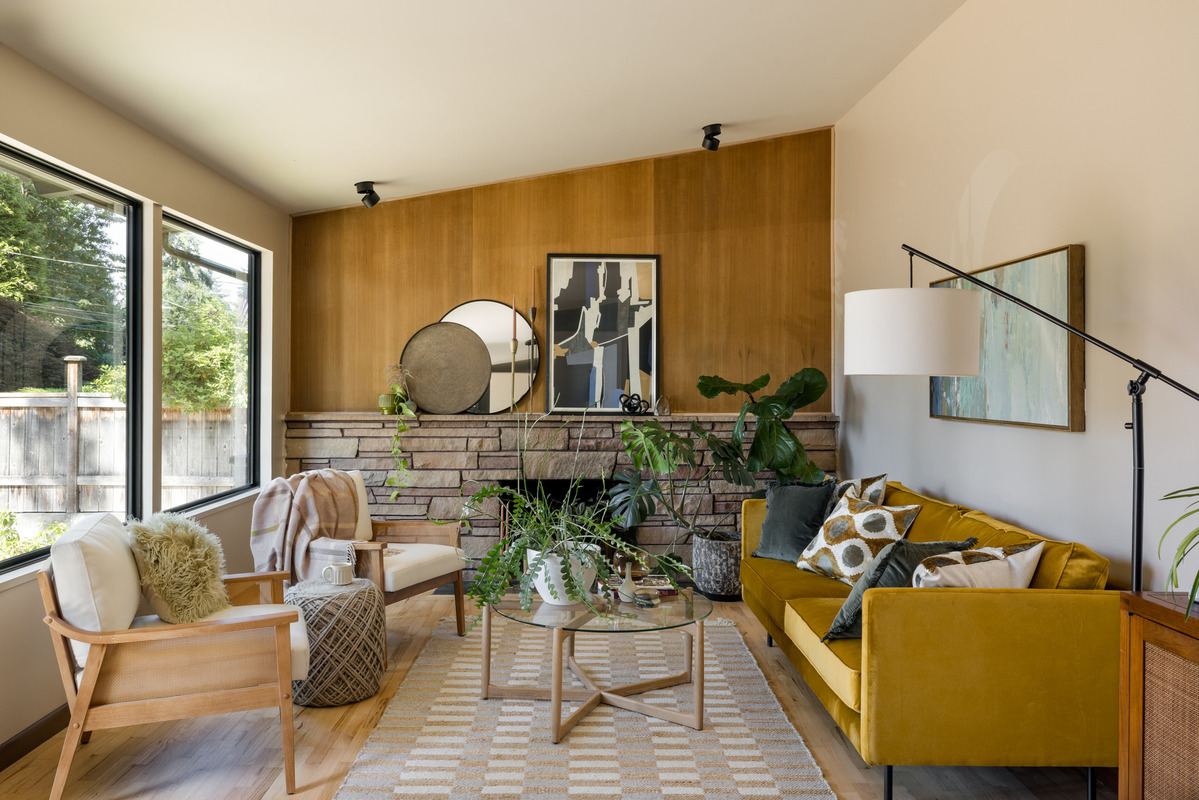
- Kitchen remodeling
- Basement remodels
- Home additions
- Bump-out additions
- Second story additions
- Whole home remodels
- Major reconfigurations of older homes
…working with an experienced remodeling company can help reduce surprises and create a more cohesive final result.
Seattle homes present unique challenges and opportunities, especially in older neighborhoods where preserving character while improving livability requires thoughtful planning and craftsmanship. Remodeling those homes successfully takes experience with both design and construction realities.
At Jackson Design Build, we focus not just on updating homes, but on creating comfortable, functional, and personalized spaces that work better for the people living in them. Our collaborative design/build process helps homeowners navigate everything from early concepts to construction with greater clarity and confidence.
If you feel you might be ready for a design/build remodel, contact us today!


 14824 Westminster Way N, 98133


